Common Mistakes to Avoid After Getting Veneers
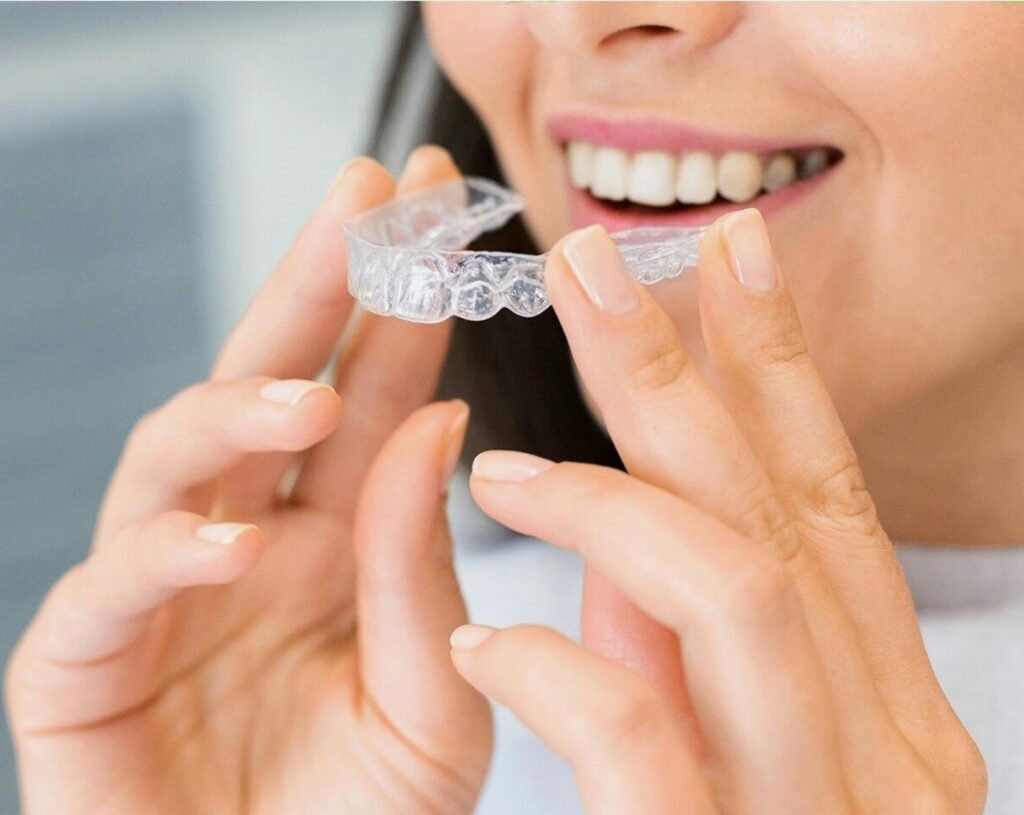
Getting veneers can change a smile dramatically, sometimes in a single appointment sequence. The shape looks cleaner, the color is more even, and many people feel an immediate lift in confidence. What tends to get less attention is what happens after the placement. Veneers are strong, but they are not indestructible. Most early problems I see after cosmetic dental work are not caused by the material failing on its own. They come from habits, assumptions, and small lapses in care that build up over time.
That matters because replacing or repairing veneers is not as simple as touching up nail polish. Veneers are bonded restorations, usually made of porcelain or composite, and they depend on precise preparation, stable bite forces, healthy gums, and consistent home care. If any of those pieces are ignored, even beautiful work can start to chip, stain at the margins, feel uncomfortable, or look less natural than it did at the start.
Some mistakes happen in the first 48 hours. Others show up six months later. A few do not become obvious until a patient says, “I thought veneers meant I would not have to worry about my teeth anymore.” That belief causes more trouble than people expect.
Treating veneers like they are maintenance-free
This is the big one. Veneers improve appearance, but they do not eliminate the need for dental care. The underlying tooth is still there. The gum tissue around the veneer still reacts to plaque. The bite still changes over time. If someone becomes less diligent after treatment because their smile looks “finished,” problems can begin quietly.
A common example is gum inflammation. A patient may brush the front surfaces carefully because they want to protect the cosmetic work, but they rush along the gumline or stop flossing because they are afraid of damaging the veneers. Plaque collects, the gums get puffy, and the edges of the veneers begin to look less seamless. The restoration itself may be fine, yet the smile starts to look less healthy.
This is especially important with porcelain veneers, which resist staining better than natural enamel in many cases. People sometimes assume that because the veneer surface still looks bright, their oral hygiene must be adequate. Meanwhile, the margins and surrounding tissues tell a different story.
Ignoring the first few days of aftercare
The immediate recovery period is where impatience gets people into trouble. If your dentist gives instructions about what to eat, what to avoid, and how to clean, those directions are not just formalities. They are meant to protect the bond, reduce sensitivity, and help you adapt to the new bite.
Composite veneers and temporary veneers are particularly vulnerable early on. Porcelain veneers are stronger once bonded, but the surrounding teeth and tissues can still be sensitive after preparation and placement. I have seen patients test their new smile with hard crusty bread, ice, or nuts the same evening because everything “felt okay.” Sometimes nothing happens. Sometimes a corner chips, or a temporary comes loose, or a patient develops soreness that could have been avoided.
Soft foods for the first day or two are not glamorous advice, but it is practical. So is chewing carefully until the new bite feels familiar. Many patients need a short adjustment period before speaking, biting into food, and smiling naturally again. Trying to force normal habits too quickly can create frustration and unnecessary wear.
Using your teeth as tools
This mistake sounds obvious until you watch how often it happens. People tear open packaging, bite tags off clothing, hold bobby pins between their teeth, chew https://www.google.com/maps?cid=11247861397590072761 pen caps, or crack seeds and shells with their front teeth. Natural teeth do not love those habits either, but veneers are less forgiving in certain directions of force, especially thin porcelain on the front teeth.
The front edges of veneers are designed for biting food, not for prying, twisting, or sudden impact. A veneer can last many years under normal function, yet chip in a second when used to open a plastic bag. Patients are often shocked because they were told veneers are durable, which is true, but durable is not the same as invincible.
One patient I remember had beautiful upper front veneers that matched her face perfectly. Two weeks later, she chipped one while trying to tear clear tape during a move. It was not a dramatic accident, just a thoughtless moment. Repairs are possible in some cases, but the result is not always as invisible as the original work.
Going back to a heavy staining diet without thinking about the margins
Porcelain veneers themselves resist deep staining better than composite and often better than natural enamel. That does not mean your whole smile is stain-proof. The edges where the veneer meets the tooth can pick up discoloration over time, especially if oral hygiene is inconsistent. Composite veneers, in particular, are more prone to staining from coffee, tea, red wine, curry, tobacco, and deeply pigmented foods.
Patients often hear that veneers “do not stain” and interpret that as “I can stop caring about staining altogether.” It is not that simple. If the neighboring natural teeth darken while the veneers stay lighter, the color match can start to look off. If a patient smokes regularly, the gumline and margins can discolor even if the porcelain face remains bright. If someone had several front veneers but not a full arch, color changes in untreated teeth can become noticeable.
The better approach is not total avoidance forever. It is awareness. If you drink coffee every morning, rinse with water afterward. If you enjoy red wine, do not let it sit on the teeth for hours. If you smoke, understand that you are affecting far more than shade. You are also increasing the risk of gum problems, slower healing, and an aged look around otherwise youthful restorations.
Skipping a night guard when grinding is part of the picture
Bruxism, whether it shows up as clenching, grinding, or jaw tension, is one of the most common reasons veneers fail early. Many people grind at night without realizing it. Others know they do it but downplay the severity because they have “always done that.” Veneers can survive in a heavy bite, but only if the case is planned properly and protected when needed.
If your dentist recommends a night guard, that recommendation is rarely optional in spirit. It is part of preserving the work. Grinding does not always cause an obvious break right away. More often it creates tiny stress lines, edge wear, gum soreness, jaw fatigue, headaches, or repeated debonding. Patients may think the veneers were poorly done when the real issue is uncontrolled force.
I have seen patients spend significant money on cosmetic treatment and then leave the guard in a drawer because it feels annoying for the first week. A month later, they are back with rough edges or muscle pain. The inconvenience of wearing a well-fitted guard is minor compared with the inconvenience of repairing a veneer or remaking several.
Missing follow-up visits because everything looks fine
Cosmetic work can create a false sense of security. If the smile looks good in the mirror, people assume there is nothing to check. Yet many veneer-related issues are easiest to fix when they are small. A bite that feels slightly off can often be adjusted quickly. Early gum inflammation can be reversed. Minor roughness at an edge can be polished before it becomes a bigger chip trap.
When patients skip follow-ups, small concerns become expensive ones. Bonded restorations benefit from professional review, not because failure is expected, but because prevention works best early. This is doubly true after a full smile makeover, where the bite and chewing pattern may need time to settle.
A good maintenance visit is not just a cleaning. It is a chance to assess whether the veneers are integrating well with speech, bite, gums, and the neighboring teeth. If a patient says, “One tooth hits first when I chew,” that matters. If they report increased sensitivity on one side, that matters too. Those details are easy to dismiss at home and easy to catch in the chair.
Brushing too hard in an effort to protect them
People who invest in their smile often become extra vigilant. That sounds positive, but overbrushing is a real problem. Aggressive scrubbing with a hard-bristled toothbrush can irritate the gums, contribute to recession, and wear exposed root surfaces on adjacent natural teeth. Veneers do not benefit from force. They benefit from consistency and technique.
The better pattern is a soft-bristled brush, gentle pressure, and careful cleaning along the gumline. Non-abrasive toothpaste is also worth discussing with your dentist, especially if your restorations are new or if you have composite veneers. Some whitening toothpastes are abrasive enough to create problems over time, not necessarily on the porcelain face itself, but at margins and on the natural teeth around it.
Patients are sometimes surprised to hear that a lighter touch usually cleans better. The goal is not to scour the surface. The goal is to remove plaque thoroughly without traumatizing the tissues.
Avoiding floss because of fear
This is understandable and common. If you have just had veneers placed, you may worry that floss will catch and pull one off. When veneers are properly bonded, routine flossing should not dislodge them. What does cause trouble is poor flossing technique or avoiding interdental cleaning altogether.
Sliding the floss gently through the contact and hugging each tooth surface is usually the safest approach. Snapping floss downward with force is not a great habit for any teeth. If someone has difficulty with traditional floss, floss picks, interdental brushes, or a water flosser may help, though specific recommendations depend on spacing and gum health.
The irony is that the people most afraid to floss often end up with irritated gums that make them even more anxious about cleaning. Once the tissue becomes inflamed, it bleeds more easily and feels tender, which reinforces the idea that cleaning is harmful. In reality, gentle consistent cleaning is what resolves the problem.
Assuming sensitivity is always normal, or never normal
Some short-term sensitivity after veneer preparation and placement can be expected, especially with temperature changes. But patients make mistakes at both extremes. Some panic over every brief sensation and stop eating normally, while others ignore persistent discomfort for weeks because they were told “a little sensitivity can happen.”
The useful question is not whether any sensation exists. It is whether it is improving, staying the same, or getting worse. Mild sensitivity that fades over days or a couple of weeks can be within the normal range. Sharp pain when biting, lingering sensitivity, pressure discomfort, or a sensation that a tooth is high in the bite deserves review.
This is one of those judgment areas where timing matters. The sooner a bite issue or bonding concern is checked, the easier it tends to be to manage. Waiting because you do not want to “bother the dentist” is a mistake. Cosmetic cases often rely on fine adjustments.
Letting dry mouth go unaddressed
Dry mouth does not get talked about enough in veneer care. Saliva protects teeth and gums, helps buffer acids, and supports the health of restoration margins. If someone takes medications that reduce saliva, breathes through the mouth at night, uses tobacco, or is often dehydrated, the risk of decay around veneer edges and gum irritation can increase.
This is not a reason to avoid veneers. It is a reason to manage the environment they live in. Frequent sips of water, saliva-supporting products, medication review with a physician or dentist, and more frequent recall visits can make a real difference. Patients with dry mouth sometimes assume the problem is cosmetic because their lips feel sticky or their breath seems off. The deeper issue is biological. The mouth is less protected.
Forgetting that natural teeth around the veneers still age
Veneers can hold a beautiful color for years, but the neighboring natural teeth continue to change. This matters when only a few veneers were placed, which is common in the front smile zone. If someone whitens the untreated teeth without a plan, the veneers may suddenly look darker by comparison. If they never whiten natural teeth and continue heavy staining habits, the opposite mismatch can happen.
This is where realistic expectations matter. Veneers are not like a permanent filter laid over the whole mouth. They are part of a larger system that needs coordination. Shade maintenance may involve periodic whitening of untreated teeth, replacement of old bonding on neighboring teeth, or simply accepting that smile maintenance is ongoing.
Eating habits that create edge stress
Some foods are not forbidden, but they require common sense. Biting directly into very hard apples with freshly placed front veneers, crunching ice, chewing hard candies, or repeatedly biting fingernails all create concentrated force at the incisal edges. Patients who had veneers placed to fix worn or chipped front teeth are often the very people who already have bite habits that damaged their natural enamel in the first place. If those habits do not change, the risk simply transfers to the new restorations.
Cutting tougher foods into smaller pieces is not overly cautious, especially at the beginning. Over time, most people find a comfortable pattern without feeling restricted. The key is to stop testing the veneers. You do not need to prove they are strong enough by challenging them.
The red flags that should prompt a call
Most veneer patients do very well, and many minor concerns turn out to be easy adjustments. Still, a few symptoms deserve prompt attention.
- a veneer feels loose or has shifted
- biting feels uneven or one tooth hits first
- sensitivity is getting worse instead of better
- the gum around a veneer stays red, swollen, or tender
- you notice a chip, rough edge, or line that was not there before
None of these automatically means something serious has gone wrong. They do mean it is smarter to have the issue checked early than to wait for a bigger failure.
Choosing over-the-counter products without asking
Whitening strips, charcoal pastes, abrasive polishing products, and trendy oral care gadgets can all create avoidable problems. Patients often buy them with good intentions. They want to keep the smile bright. The catch is that many of these products are designed for natural enamel, not for a mouth that now contains carefully finished restorative surfaces and exposed bonding margins.
Charcoal products, for example, are often more abrasive than people realize. Strong peroxide systems can whiten surrounding teeth while leaving the veneers unchanged, creating a mismatch. Even certain mouthrinses with high alcohol content can worsen dryness in sensitive patients. It is rarely dramatic damage all at once. More often it is a slow drift away from the look and health the veneers had at placement.
A quick conversation with the dentist who placed the veneers usually saves money and frustration. They know the material used, the shade plan, and whether there are special considerations such as recession, composite bonding, or a history of grinding.
The habits that usually lead to long-lasting results
Good veneer outcomes are not mysterious. They come from a handful of steady behaviors done well. If patients ask what matters most, I usually keep it simple.
- clean thoroughly but gently every day
- protect the veneers from grinding and non-food trauma
- attend maintenance visits even when nothing feels wrong
- keep the gums healthy, because healthy frames make veneers look natural
- ask early when something changes, instead of watching and waiting
These habits are not glamorous, but they are what make expensive cosmetic dentistry keep looking like expensive cosmetic dentistry.
A better way to think about veneers
The healthiest mindset is to see veneers as high-performance dental restorations, not as decorative shells. They can be life-changing aesthetically. They can also function beautifully for many years. But they ask for partnership. The dentist controls planning, preparation, material choice, bonding, and occlusion. The patient controls daily use, hygiene, follow-up, and the small repeated behaviors that determine whether the result stays elegant or starts to unravel.
People who do best with veneers are rarely the people who obsess over them. More often, they are the ones who respect them. They stop biting ice. They wear the night guard. They clean carefully at the gumline. They come back when something feels slightly off. They understand that preserving a smile is quieter work than getting one, but every bit as important.
That is the difference between veneers that still look refined years later and veneers that become a source of repair bills, sensitivity, and disappointment. The treatment may be cosmetic. The maintenance is practical.
Oaks Dental
Address: 5000 Parkway Calabasas Ste 308, Calabasas, CA 91302
Phone number: +18184312000
FAQ About Veneers
How much do veneers actually cost?
The cost of dental veneers typically ranges from $250 to $2,500 per tooth, with a full smile transformation averaging anywhere from $6,000 to $20,000 depending on the material you choose. Because veneers are classified as a elective cosmetic procedure, dental insurance almost never covers them.
What is the downside of having veneers?
The main downside of dental veneers is that the process is permanent and irreversible, as a dentist must shave off a thin layer of natural tooth enamel. Other major drawbacks include increased tooth sensitivity, high financial costs, and the need to replace them every 10 to 15 years.
What happens to the teeth under veneers?
When you get veneers, a dentist shaves off a thin layer of your natural tooth enamel (about 0.3 to 0.7 millimeters). The living tooth stays intact underneath, but losing this outer layer is permanent. The tooth relies on the veneer shell for lifelong protection and cannot be left bare.