Dental Emergency Plano TX Treatment Options Explained
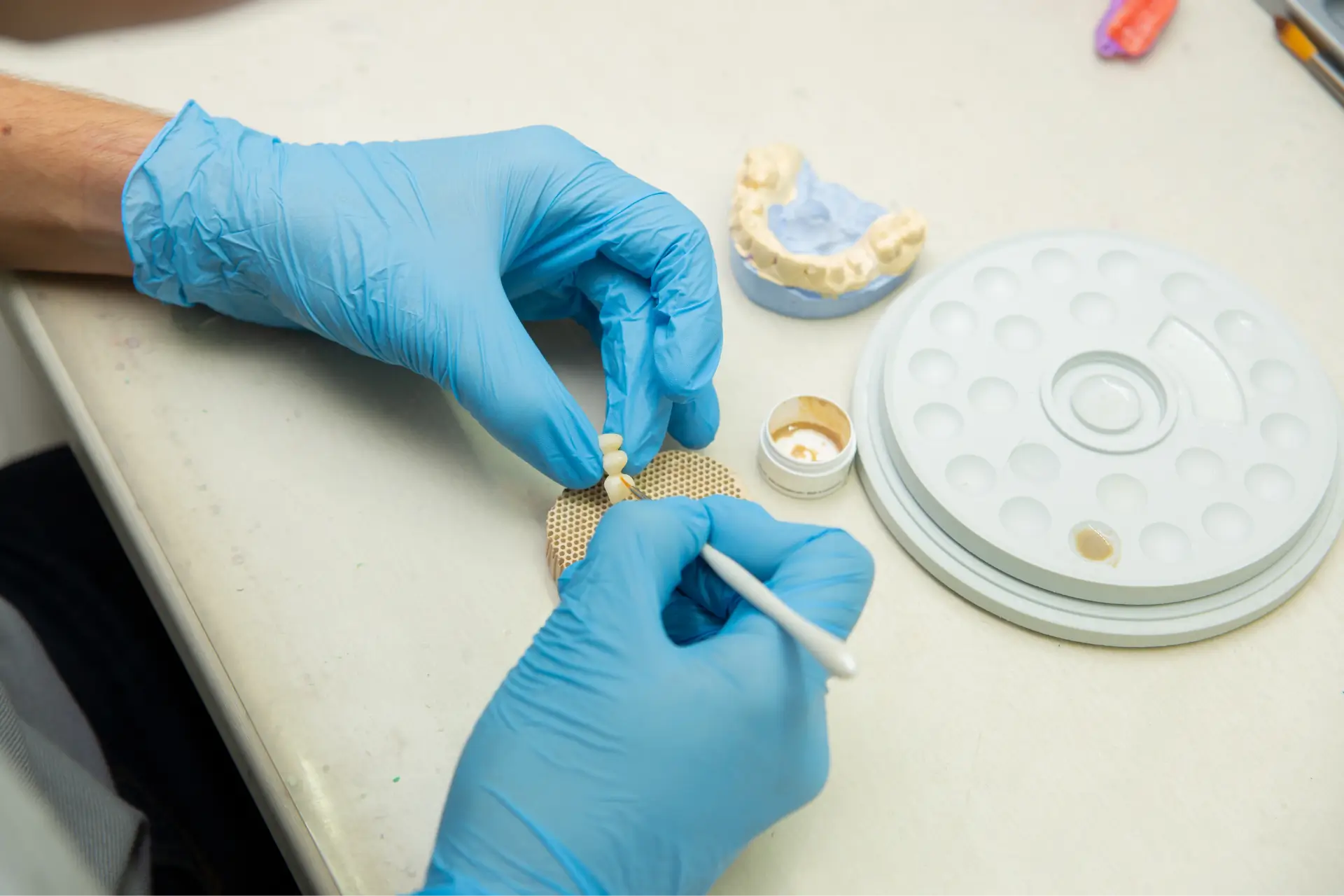
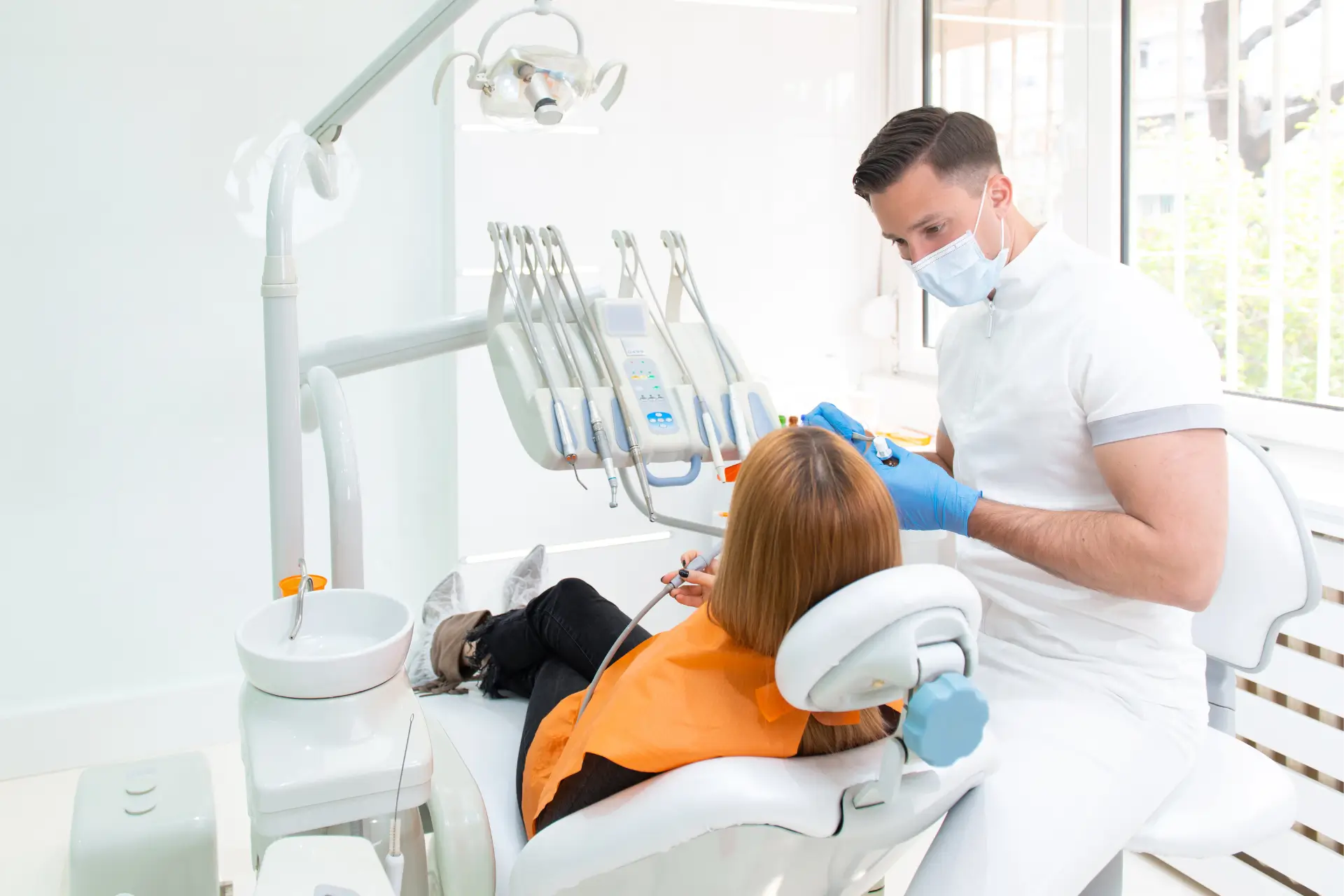
A true dental emergency has a way of turning an ordinary day into a scramble. One minute you are biting into lunch, driving to work, or trying to get a child ready for school. The next, a tooth cracks, a crown comes loose, a swelling starts to spread, or pain ramps up so quickly that you cannot focus on anything else. When that happens, most people are not looking for textbook definitions. They want to know what counts as urgent, what can wait a day, what kind of treatment is likely, and how to get through the next few hours safely.
That is exactly where clear guidance matters. If you are searching for Dental Emergency Plano TX care, the goal is not only to stop pain. It is to protect the tooth when possible, limit infection, reduce the chance of more expensive treatment later, and make sure the problem does not spill into your overall health. In practice, the right next step depends on a few specifics: the source of the pain, whether there is swelling or bleeding, whether the tooth is broken or displaced, and how quickly symptoms are changing.
The phrase “dental emergency” gets used loosely, but not every dental problem belongs in the same category. A filling that fell out on a Friday evening may need prompt attention, yet it is usually different from facial swelling that is creeping toward the eye or throat. A chipped front tooth with no pain is frustrating and time-sensitive, especially if appearance matters for work or an event, but it is not the same level of urgency as a knocked-out permanent tooth that has a realistic chance of being saved if it is handled correctly in the first hour.
What usually counts as a dental emergency
In day-to-day practice, the emergencies that deserve same-day evaluation tend to share one trait: waiting creates a meaningful risk. That risk might be worsening infection, damage to the nerve, uncontrolled bleeding, or a significant drop in the odds of saving the tooth. Severe toothache that keeps you awake, visible swelling in the gum or jaw, trauma from a fall or sports injury, and a broken tooth with exposed inner structure all fit the picture.
There is also a category that patients often underestimate, persistent dull pain that suddenly changes character. When discomfort shifts from occasional sensitivity to constant throbbing, especially with heat sensitivity or pain on biting, that often signals a deeper issue. An inflamed or infected pulp can move from manageable to miserable in a short window. I have seen many patients try to “wait it out” over a weekend, only to arrive two days later with facial swelling and a much narrower set of treatment options.
Then there are emergencies involving previous dental work. A loose crown, bridge, or implant component may not seem dramatic at first, but if it changes your bite or leaves a prepared tooth exposed, delay can create a second problem. The same is true for orthodontic appliances that are cutting into cheeks or gums. It may not be life-threatening, but pain and tissue injury can become significant quickly.
Situations that call for immediate medical attention, not just a dental visit
A dental office is often the right first stop, but not always. If there is trouble breathing, trouble swallowing, rapid swelling under the jaw or around the eye, high fever, confusion, or bleeding that will not stop with firm pressure, that crosses into medical urgency. Those symptoms can point to a spreading infection or trauma that needs emergency room care right away. Dentistry and medicine overlap more than people realize in these moments.
Children and older adults deserve extra caution here. Kids can deteriorate faster than adults, and elderly patients, particularly those with diabetes, heart conditions, or a compromised immune system, may not show “classic” symptoms as clearly. A modest-looking dental infection can behave very differently in someone whose body is already under strain.
The most common dental emergencies in Plano and what treatment often looks like
Plano families, like families everywhere, tend to show up with a familiar mix of urgent problems. Some come from decay that has been quietly advancing. Others come from busy schedules, weekend sports, hard foods, nighttime grinding, and the occasional bad luck of a slip on tile or a misplaced elbow during a basketball game.
Severe tooth pain
This is one of the most common reasons people look for emergency care. The pain can range from sharp and intermittent to deep, throbbing, and relentless. Often the tooth nerve is inflamed because decay has reached the pulp, a crack has extended deeper than expected, or an older filling has failed and allowed bacteria in.
Treatment depends on the cause. If the tooth can be restored, the dentist may remove decay and place a temporary or permanent filling, though many severe pain cases involve the nerve and need root canal treatment. Root canal therapy has a reputation that does not match modern reality. In many emergency cases, the immediate goal is to remove inflamed or infected tissue from inside the tooth and relieve pressure. Patients are often surprised by how much better they feel once that pressure is gone. If the tooth is too damaged to predictably save, extraction may be the safer option.
Pain medicine alone is not treatment. It can help you get through the day, but it does not remove infection, close a crack, or stop internal pressure from building.
Swelling, abscess, and dental infection
A dental abscess can start as a tooth infection or a gum infection. Some produce obvious swelling and a pimple-like bump on the gum. Others are more hidden, with pain on biting, tenderness in the jaw, or a foul taste from drainage. Facial swelling is the point where most people realize this is no longer a small issue.
Emergency treatment often includes draining the infection if possible, opening the tooth if the source is inside the root canal system, and determining whether the tooth is restorable. Antibiotics may be prescribed when there is swelling, spread, or systemic involvement, but they are not a substitute for definitive care. This is a point worth stressing because it is a common misunderstanding. Antibiotics may calm symptoms temporarily, yet the source usually remains until the tooth is treated or removed.
Some abscessed teeth can be saved with root canal treatment and a crown later. Others are so compromised by fracture, bone loss, or deep decay that extraction is more predictable. The right call depends on X-rays, the pattern of destruction, and the long-term outlook, not just whether the pain can be quieted today.
Chipped, cracked, or broken teeth
Not every broken tooth feels the same, and the difference matters. A small enamel chip may be mostly cosmetic. A larger fracture that exposes dentin, the yellowish layer under enamel, tends to be temperature-sensitive. A crack that reaches the pulp can trigger severe pain and lingering sensitivity. If the fracture extends below the gumline or splits the tooth vertically, treatment becomes more complicated fast.
In emergency care, dentists usually first stabilize the situation. That might mean smoothing sharp edges, placing a bonded material over exposed areas, using a temporary crown, or addressing the nerve if pain is severe. Final treatment may be a filling, onlay, crown, root canal followed by a crown, or extraction if the tooth is not salvageable.
Back teeth often crack in ways patients do not notice right away. A person may say, “It only hurts when I release pressure after chewing.” That pattern often points to a crack. Catching it early can make the difference between needing a crown and losing the tooth.
A knocked-out permanent tooth
This is one of the clearest time-sensitive emergencies in dentistry. If a permanent tooth is completely knocked out, the way it is handled in the first few minutes can significantly affect whether it can be replanted successfully. The tooth should be picked up by the crown, not the root, and if dirty, gently rinsed with milk or saline. Scrubbing the root or letting it dry out reduces the odds of success.
If possible, the tooth can sometimes be placed back into the socket right away and held there gently until care is available. If that is not realistic, storing it in milk is usually better than leaving it dry. Younger patients and freshly avulsed teeth generally have better outcomes, but speed matters for everyone.
Emergency treatment typically involves replanting and splinting the tooth, then close follow-up. Even when replantation works initially, further treatment such as root canal therapy may still be needed.
Lost filling, crown, or bridge
This tends to feel less dramatic than infection or trauma, but it can still be urgent. A lost filling can leave exposed tooth structure that is sensitive and vulnerable. A crown that comes off may be harmless for a few hours, or it may signal that the underlying tooth has decayed, fractured, or lost enough structure that recementing it is not simple.
Emergency care may involve reseating the crown if it fits well and the tooth underneath is sound, or placing a temporary material to protect the area until a replacement can be made. If the tooth is broken underneath, treatment may shift toward a buildup, a new crown, root canal therapy, or extraction depending on severity.
What a same-day dental visit usually includes
Many people hesitate to come in because they assume emergency treatment means a long, complicated appointment. In reality, the first visit is often focused and practical. The dentist needs to answer a few core questions quickly: What is causing the problem? Is there infection or structural damage? Can the tooth be stabilized today? Is the best option to save it, temporize it, or remove it?
You can usually expect a conversation about symptoms, a clinical exam, and X-rays targeted to the area. In some cases, the dentist may test the tooth with cold, pressure, or gentle percussion to assess the nerve and supporting structures. These steps may sound basic, but they shape the entire decision tree. A cold-sensitive tooth that recovers quickly is a very different case from a tooth that throbs, hurts to tap, and shows a dark area at the root tip on an X-ray.
Once the diagnosis is clear, treatment often happens the same day when feasible. That may be drainage of an abscess, a sedating filling, reattachment or stabilization after trauma, root canal access to relieve pain, or extraction. Sometimes the safest emergency care is temporary by design. For example, a very swollen patient may need initial infection control and a shorter first appointment, then definitive restorative work after tissues calm down.
The role of root canals, extractions, and crowns in emergency treatment
Patients often want a simple answer, “Will I need a root canal or will the tooth have to come out?” The honest answer is that both are common in emergency dentistry, and the better choice depends on the rest of the tooth, not just the level of pain.
A root canal is usually recommended when the tooth structure is solid enough to restore, the roots are in good shape, and the surrounding bone support is acceptable. It removes infected or irreversibly inflamed tissue from inside the tooth and allows the tooth to be retained. Most back teeth then need a crown because after major decay or internal treatment, they are weaker and more likely to fracture under chewing pressure.
Extraction is often the better option when the tooth is split, the decay extends too far below the gumline, the bone support is poor, or prior treatment has left too little reliable structure. There is no virtue in forcing a save on a tooth with a poor prognosis. The most expensive emergency decision is often the one that tries to preserve a tooth that was not truly restorable to begin with.
This is where professional judgment matters. The best emergency dentists balance immediate pain relief with the likely five-year outcome. A tooth that can technically be saved but is likely to fail in a year may not be the most responsible choice, especially if the patient has limited time, finances, or tolerance for multiple procedures.
What to do before you get to the office
The period between the injury or flare-up and the dental appointment can feel long, even if it is only a few hours. What you do in that window can either help or make matters worse.
- For swelling or pain, use a cold compress on the outside of the face in short intervals. Do not place aspirin directly on the gum, which can burn tissue.
- For bleeding after trauma or an extraction-related issue, use firm pressure with clean gauze or a clean cloth. Steady pressure works better than repeatedly checking the area.
- For a knocked-out permanent tooth, handle it by the crown, not the root, and keep it moist in milk or saline if it cannot be replanted immediately.
- For a broken tooth, save any pieces you can find, rinse gently, and avoid chewing on that side.
- For severe symptoms that include breathing difficulty, spreading swelling, or fever with worsening facial pain, seek urgent medical care immediately.
These are short-term measures, not substitutes for treatment. Warm saltwater rinses can be soothing for irritated gum tissue, but they will not reverse a fracture or clear a true abscess.
Pain control, antibiotics, and common misunderstandings
One of the most frequent points of confusion in Dental Emergency Plano TX care is the role of medication. Patients often assume the emergency visit will end with antibiotics and pain pills, and the rest can wait. Sometimes medication is appropriate, but in dentistry, the source of pain is often mechanical or pressure-based, not something a prescription can fix by itself.
Take an inflamed tooth nerve. Antibiotics generally do little for that because the issue is inside the tooth and often not reached effectively without treatment. A cracked tooth can hurt intensely, but no pill can fuse the crack back together. An abscess with swelling may warrant antibiotics, especially if there is spread, but the infection still needs drainage, root canal therapy, or extraction. Medication buys time. It does not finish the job.
Over-the-counter pain relievers can be helpful when used as directed and when medically appropriate for the individual. Some patients should avoid certain medications because of stomach ulcers, kidney disease, blood thinners, or other conditions. If you are unsure, that is a good reason to call the dental office and describe your medical history before taking anything new.
Cost, insurance, and why waiting often costs more
Emergency dentistry carries financial stress for many families, and it is reasonable to ask about cost early. Fees vary based on the problem and the treatment provided that day. A focused emergency exam with X-rays is obviously very different from same-day extraction, incision and drainage, or root canal treatment. What matters most is understanding that delay often increases total cost.
A cavity that could have been restored with a filling months ago may become a root canal and crown after pain begins. A cracked tooth that might have been saved with an onlay or crown can split beyond repair if it keeps taking chewing forces. A mild gum infection can become a more extensive issue if swelling and bone loss progress. In that sense, prompt treatment is not only about comfort. It is often the cheaper path over time.
Most reputable offices are used to these conversations. They can usually outline immediate versus follow-up costs, discuss insurance estimates, and explain phased care when appropriate. Emergency patients do not need sales pressure. They need a clear picture of what must be done now, what can safely wait, and what each option means for the future.
Special concerns for children, teens, and older adults
A child with dental trauma deserves careful handling, especially if the injury involves a permanent front tooth that is https://privatebin.net/?ece009737aeca006#GUxFRiKjG74ySPtHmk5vvSGa3yGooY1vi7Kv3kodxcbg still developing. Parents sometimes are not sure whether the knocked or displaced tooth is a baby tooth or a permanent tooth, and that affects what should happen next. Baby teeth are managed differently because replanting them can injure the developing permanent tooth underneath. If there is any doubt, getting evaluated quickly is the safest move.
Teenagers bring a different pattern, sports injuries, orthodontic issues, and energy drink related decay are common combinations. A teen who fractures a front tooth on a skateboard or during baseball may need both emergency stabilization and later cosmetic reconstruction. That second stage matters emotionally as much as physically, because appearance can be a major source of stress at that age.
Older adults may arrive with broken heavily restored teeth, root fractures under crowns, denture problems, or infections complicated by dry mouth and chronic health issues. The treatment plan often has to account for bone density, medications, healing capacity, and the patient’s larger restorative goals. Sometimes the best emergency treatment is not the most aggressive one. It is the one the patient can maintain comfortably and predictably.
Choosing the right emergency dentist in Plano
When someone is in pain, the instinct is to call the first office that answers. Availability matters, but experience and practical capability matter too. Emergency dentistry works best when the office can evaluate, image, diagnose, and provide real treatment in the same visit whenever possible.
A good office will ask smart triage questions over the phone. They will want to know about swelling, fever, trauma, uncontrolled bleeding, and whether a tooth has been knocked out. They should also be willing to tell you if your symptoms sound more appropriate for a medical ER. That honesty is a good sign.
If you are comparing offices for Dental Emergency Plano TX services, look for signs that they routinely handle urgent care rather than squeezing it into the margins of a cosmetic-focused schedule. Same-day accommodations, digital imaging, restorative capability, and a calm, direct communication style are all useful indicators. Dentistry under pressure requires more than technical skill. It requires judgment.
When a problem is urgent, but not an emergency
There is a middle ground worth mentioning because many patients live there. A dull ache when chewing, a chipped tooth with a rough edge, mild cold sensitivity after a filling, or a crown that feels slightly loose may not require a midnight call, but it should not drift for weeks either. These are the issues that often move quietly from manageable to urgent. If you catch them in that window, treatment is usually simpler.
That awkward half-emergency space is where many people searching phrases like Dental Emergenc online end up. They know something is wrong, but they are unsure whether it justifies immediate care. A brief phone conversation with a dental office can usually sort that out. Describing the timing, triggers, swelling, temperature sensitivity, and any recent dental work gives the team enough information to decide whether you need same-day care or the next available appointment.
The bottom line is simple. Dental emergencies are not only about pain level. They are about risk, speed, and the chance to preserve healthy structure before a small problem becomes a larger one. When the issue is addressed promptly, treatment is often more conservative, recovery is smoother, and the odds of keeping your natural tooth improve.
Vitality Dental
Address: 1220 Coit Rd #106, Plano, TX 75075
Phone number: +19726454100
FAQ About Dental Emergency Plano TX
What can the ER do for a tooth?
An emergency room (ER) can manage pain and treat severe infections with medication, but it cannot fix or pull a tooth.
What is considered a dental emergency?
A dental emergency is any oral health problem that involves severe pain, uncontrollable bleeding, or an infection that threatens your health or requires immediate care to save a tooth.
Is there a 24-hour dental service in Plano, TX?
There is no physical dental clinic in Plano, Texas, that stays open with walk-in staff 24 hours a day, but several offices offer 24/7 phone support, late-night hours, or same-day emergency care.