Emergency Dentist Steps to Take After Losing a Filling

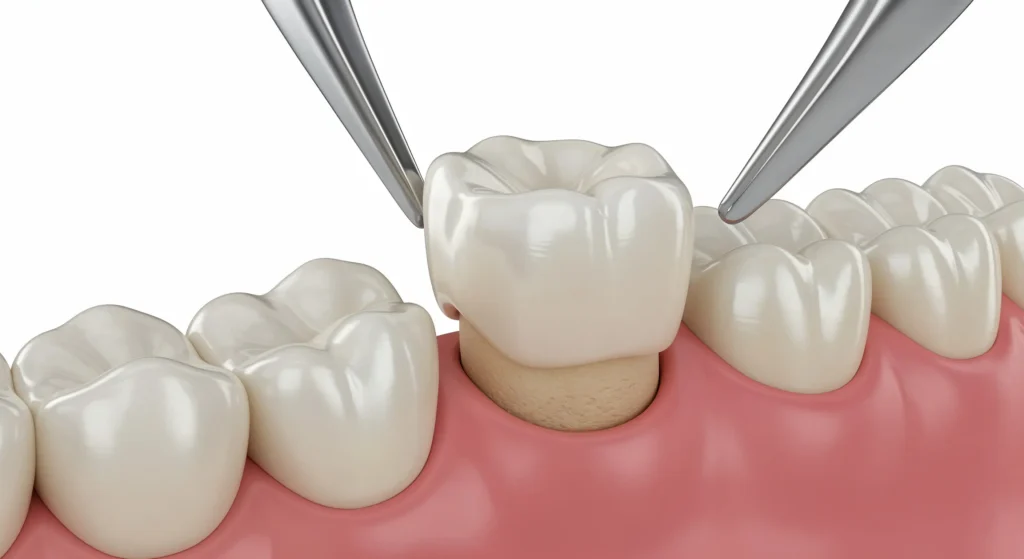

A lost filling rarely happens at a convenient time. It tends to show up halfway through lunch, late at night, on a work trip, or just before a weekend when every small problem feels bigger. One bite into something crunchy, one sip of iced water, and suddenly a tooth that felt fine yesterday is sharp, sensitive, and impossible to ignore.
Most people do not know whether a missing filling counts as a true dental emergency. The short answer is that it can. Sometimes it is little more than an inconvenience that needs prompt repair. Other times, especially when pain is strong or the tooth has fractured, it becomes a same-day https://deanceax090.zenbloomer.com/posts/what-to-expect-from-an-after-hours-emergency-dentist problem that deserves attention from an Emergency Dentist.
What matters most in the first few hours is protecting the tooth, managing discomfort, and avoiding the small mistakes that turn a repairable problem into a more complicated one. Fillings do not just plug holes. They seal and reinforce parts of a tooth that have already been weakened by decay or wear. Once the filling is gone, the exposed area can trap food, react painfully to temperature, and chip under normal chewing forces.
I have seen patients assume they could simply wait a few weeks because the tooth “wasn’t that bad.” By the time they came in, a straightforward replacement filling had become a cracked cusp, a root canal, or an extraction discussion. I have also seen the opposite, people panic over a tiny lost filling with no pain, when a calm, careful temporary plan carried them safely to an appointment two days later. The difference usually comes down to symptoms, timing, and how the tooth is handled after the filling falls out.
What it actually means when a filling comes out
A filling can loosen or fall out for several reasons. Sometimes the material has simply reached the end of its useful life. Dental fillings take years of pressure from chewing, grinding, temperature changes, and natural expansion and contraction. Over time, the edges can break down, especially in larger fillings.
In other cases, decay has formed under or around the filling. The restoration may look intact from the outside, but the tooth beneath it has softened or hollowed out. Once that support is gone, the filling can detach. Sticky foods are another common trigger. Caramel, gum, toffee, and even a tough granola bar have a way of finding weak dental work.
Age of the filling matters, but size matters too. A tiny filling that comes out may leave a small crater with mild sensitivity. A large filling in a molar can leave thin tooth walls exposed and vulnerable to fracture. That is why one person can lose a filling and feel only a twinge, while another cannot chew on that side at all.
The important point is this: the tooth is no longer fully protected. Even if pain is minimal, the area should not be ignored.
The first hour matters more than most people realize
The first thing to do is not to panic. A lost filling feels alarming because your tongue keeps finding the rough space, and every breath of cold air seems to hit the nerve. That sensation can be intense, but it does not automatically mean severe damage has occurred.
Start by rinsing your mouth gently with warm water. This clears food debris and gives you a better sense of what you are dealing with. If you still have the filling, keep it, but do not try to glue it back in. Occasionally a dentist may want to see it, although in many cases it cannot be reused.
Then take stock of the tooth. Is the area just hollow, or does part of the tooth seem broken? Is there bleeding? Can you close your teeth together normally? Are you feeling brief sensitivity, or a deep throbbing ache that lingers?
Those details help determine whether you need urgent same-day care or a prompt scheduled appointment in the next day or two.
Immediate steps that help protect the tooth
- Rinse gently with warm water and remove trapped food without digging into the hole.
- Avoid chewing on that side, especially hard, crunchy, sticky, or very hot and cold foods.
- Use an over-the-counter pain reliever if you normally tolerate it and it is safe for you to take.
- Cover a sharp edge with temporary dental material or sugar-free gum only if needed for comfort.
- Call your dentist, or an Emergency Dentist if pain is severe or your regular office is unavailable.
Each of these steps does something practical. Warm water reduces irritation and clears debris. Avoiding pressure prevents a weakened tooth from cracking further. Temporary dental repair kits sold in pharmacies can be helpful for short-term coverage, particularly if dentin is exposed and the tooth is very sensitive. They are a bridge, not a fix.
Sugar-free gum can sometimes cover a jagged edge that is scraping your tongue or cheek, but it should be a clean, temporary measure, not a long-term patch. Regular gum is too sticky and may create more problems than it solves.
What not to do, even if you are trying to be resourceful
People often make lost fillings worse by trying home repairs. Household glue, nail adhesive, super glue, and random internet “hacks” have no place in your mouth. They can burn soft tissue, trap bacteria, and make proper treatment far harder. Aspirin should not be placed directly on the gum or tooth either. That old myth can cause a chemical burn and does nothing to repair the problem.
Another common mistake is testing the tooth over and over. People tap it, chew on it “just to see,” or sip cold water repeatedly to check whether it still hurts. That kind of repeated provocation can take an irritated tooth and push it into a more inflamed state.
It is also unwise to assume that no pain means no urgency. Teeth can be deceptive. Some lost fillings leave the nerve covered enough that pain is limited at first. Meanwhile, the surrounding tooth can continue to fracture under daily use.
How to tell whether you need an Emergency Dentist right away
Not every lost filling requires racing out the door, but some definitely justify same-day help. Severe pain is the clearest signal, especially when it wakes you from sleep, pulses on its own, or lingers after hot or cold. A broken tooth around the missing filling is another red flag. Once the structure gives way, the situation changes from replacement to damage control.
Swelling matters. Any swelling in the gum, cheek, or jaw raises concern for infection or significant inflammation. Fever, a bad taste in the mouth, or drainage from the area also make the problem more urgent.
Signs this has moved into emergency territory
- Strong, persistent pain that is not controlled by typical over-the-counter medication.
- Visible fracture of the tooth, especially if a large section has broken away.
- Swelling of the gum, face, or jaw, or signs of infection such as foul drainage.
- Difficulty biting down because the tooth feels high, unstable, or exquisitely painful.
- Trauma to the face or mouth that caused the filling to come out.
If any of these apply and your regular office cannot see you quickly, seek an Emergency Dentist. Emergency dental visits are designed for exactly this kind of problem, where delaying care risks more pain, more damage, or more extensive treatment.
Pain control while you wait for care
Pain from a lost filling can range from a brief zing with cold drinks to deep aching that radiates into the jaw. The type of pain often reflects what is exposed. Dentin, the layer under enamel, contains microscopic tubules that transmit temperature and pressure. When a filling is lost, those tubules may be left open to the mouth, which explains the sudden sensitivity.
A standard over-the-counter pain reliever can help if you are medically able to take it. Follow the labeled instructions and your physician’s guidance if you have conditions that affect what medications are safe for you. A cold compress on the outside of the cheek may also ease discomfort if the area feels inflamed, though you do not want ice directly on the tooth itself.
Food choices make a real difference. Soft, lukewarm foods are usually best. Think scrambled eggs, yogurt, pasta, oatmeal cooled to a comfortable temperature, or soup that is warm rather than steaming hot. Avoid nuts, chips, crusty bread, candy, and anything sticky. Drinks can trigger pain too. Iced coffee, hot tea, and sugary sodas are common offenders.
If the tooth has a sharp edge cutting the tongue or cheek, a temporary dental material from the pharmacy can make the wait far more comfortable. Used properly, these products can seal the area for a day or two. Used carelessly, they can trap debris and give false confidence. The best approach is to follow package directions closely and still arrange professional treatment as soon as possible.
What your dentist is likely to do at the appointment
Many people expect a lost filling visit to be quick and automatic, but the treatment depends on what the tooth looks like once it is examined and cleaned. The dentist is not only replacing what fell out. They are checking why it failed and whether the tooth underneath is still sound.
If the cavity is small and the surrounding tooth structure is healthy, the answer may be simple: clean the area and place a new filling. Composite fillings are commonly used because they bond to tooth structure and match the tooth color well.
If the opening is larger or the tooth walls are thin, a basic filling may no longer be the best long-term choice. In those cases, an inlay, onlay, or crown may be recommended to better support the remaining tooth. Patients are sometimes surprised by this, especially if the original restoration was “just a filling,” but once enough structure has been lost, the tooth needs more than a patch.
If decay has reached the nerve or the pulp is inflamed beyond recovery, root canal treatment may be necessary before the tooth can be rebuilt. And if the tooth has fractured below the gumline, the discussion can turn toward extraction. This is why early evaluation matters. The sooner the tooth is assessed, the more conservative the options usually are.
Why some lost fillings become much bigger problems
Teeth are mechanical structures as much as biological ones. Once a filling comes out, the load distribution changes. Areas that were reinforced are now unsupported. Every bite on a weakened molar sends force into thin enamel walls that may already have microscopic cracks.
That is particularly true for old silver amalgam fillings in back teeth. Over time, large restorations can leave cusps vulnerable. A patient may lose the filling on Friday, feel mostly fine, then crack the side of the tooth on Sunday while eating a sandwich. They often say, “I wasn’t even chewing anything hard.” They are telling the truth. It does not always take a hard impact once the tooth has been compromised.
Timing also matters because bacteria move quickly. Food packs into the space, the exposed dentin becomes irritated, and the pulp can inflame. Sometimes the pain seems to come and go, which tricks people into thinking it is improving. In reality, intermittent pain can still signal an active problem.
Special situations that deserve extra caution
A lost filling in a child needs prompt attention, especially if the child cannot describe pain clearly or keeps chewing on the area. Children also tend to eat snacks throughout the day, which means the cavity can collect debris and sugar repeatedly.
Pregnancy changes the conversation only slightly. Dental care, including urgent treatment for pain or broken restorations, is still important. Delaying necessary care can create more stress and inflammation than the appointment itself. The key is to let the dental office know about the pregnancy so they can plan appropriately.
People with heavy grinding habits often need a broader fix than just replacing the filling. If the restoration came out because of repeated clenching or bruxism, the new filling may fail too unless the bite forces are addressed. In practice, that may mean adjusting the bite, choosing a stronger restoration, or recommending a night guard.
If the lost filling is under a denture, partial, or aligner area, do not assume the appliance should keep being worn unchanged. Sometimes it is fine, but sometimes the fit over the exposed tooth can create pressure or pain. It is worth asking the dental office for specific guidance.
Temporary repair kits, useful but easy to misuse
Pharmacy dental kits can be genuinely helpful for a short window. They often contain a pliable temporary filling material meant to cover the cavity until you can be seen. For someone traveling, working through a weekend, or waiting overnight for an appointment, that can be a sensible stopgap.
Still, these products work best in small, clean spaces and on teeth that are not actively breaking down. They do not disinfect the tooth. They do not stop decay. They do not restore full strength. If the material falls out quickly, if the area throbs, or if the bite feels wrong after placing it, that is a sign not to keep experimenting at home.
The goal is comfort and protection, not a perfect seal. When people try to pack too much material into a large cavity, they often create pressure and tenderness. A light, cautious approach is better than forcing a home fix.
Preventing the next lost filling
No restoration lasts forever, but some failures are preventable. Regular checkups help dentists spot breakdown around filling margins before the whole restoration dislodges. X-rays are often what reveal the real story, especially decay under an otherwise normal-looking filling.
Daily habits matter too. If you have a history of losing fillings, be honest about what you chew. Ice, popcorn kernels, hard candy, and pens are repeat offenders. Sticky sweets pull at margins. Night grinding can fatigue both teeth and restorations. Dry mouth increases decay risk around older dental work, which shortens its lifespan.
A good rule of thumb is to treat restored teeth as functional, not invincible. Once a tooth has needed a filling, it has a history. That does not mean it is doomed, only that it deserves a little more respect.
The practical bottom line
A filling that falls out is not something to brush off and “deal with later” if later means several weeks of normal chewing, cold drinks, and crossed fingers. Sometimes the fix is simple. Sometimes the filling was the only thing standing between a stable tooth and a fracture. You cannot reliably tell which situation you are in by guesswork alone.
Rinse the area, protect the tooth, avoid chewing on it, and seek prompt professional advice. If pain is severe, swelling develops, or the tooth has broken, treat it as urgent and contact an Emergency Dentist. Fast action often preserves simpler, less costly treatment.
Most lost fillings are manageable. The patients who do best are usually the ones who stay calm, avoid improvised home repairs, and get the tooth assessed before a small repair turns into a bigger restoration. That approach is not dramatic. It is simply the one that works.
Simple Dental South Gate
Address: 8617 California Ave, South Gate, CA 90280
Phone number: +13236896118
FAQ About Emergency Dentist Southgate CA
What can the ER do for a tooth?
The emergency room can provide temporary symptom relief for a bad tooth, such as prescribing pain medicine or antibiotics, but it cannot fix the actual dental problem.
What is the 3-3-3 rule for tooth infection?
The 3-3-3 rule for a toothache or infection typically means taking three 200 mg ibuprofen tablets (600 mg total) three times a day for no more than three days to control pain and swelling while waiting to see a dentist.
What do you do if you have a dental emergency but no dentist?
If you have a dental emergency and no regular dentist, you should search for an urgent care dental clinic, call local walk-in dental offices, or go to a hospital emergency room if you have severe bleeding, swelling, or trouble breathing.