How an Emergency Dentist Assesses Tooth Mobility After Injury
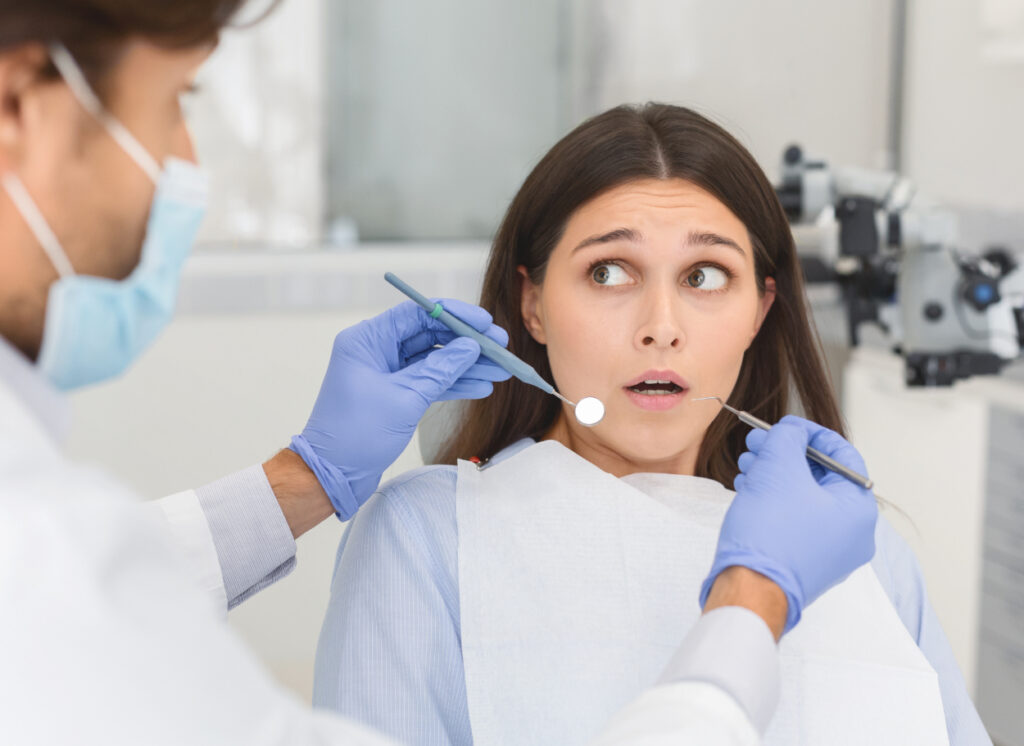
A loose tooth after an accident always feels more dramatic than it looks. Patients often arrive describing it in blunt, memorable terms: "It wiggles when I talk," "It feels longer than the others," or "I bit down once and knew something was wrong." Those details matter. Tooth mobility after injury is not just a yes or no finding. It can point to anything from a mild periodontal ligament sprain to a complex injury involving the root, socket bone, or surrounding soft tissue.
When an Emergency Dentist evaluates a mobile tooth, the goal is not simply to confirm that the tooth moves. The real task is to work out why it moves, how much it moves, whether the nerve and supporting tissues are still viable, and what has to happen immediately to improve the odds of saving it. Speed matters, but so does restraint. A rushed exam can miss a root fracture. An overly aggressive test can worsen a fresh injury.
The assessment is a blend of observation, touch, imaging, and judgment built from patterns seen over time. Two patients can report the same symptom and need very different treatment.
The first question is always how the injury happened
Before any instrument comes near the tooth, the history starts shaping the exam. A tooth loosened by a blow to the mouth during sport is different from a tooth that became mobile after biting a fork, falling off a bike, or being struck in a car accident. The force, angle, and timing help predict the likely injury.
A direct frontal impact often produces displacement, meaning the tooth may be pushed inward, outward, or sideways. A vertical blow can drive a tooth deeper into the socket. A twisting force while biting hard food may suggest a cracked tooth or pre-existing periodontal weakness. If the tooth was already slightly mobile before the accident, that changes the interpretation. Trauma may have exposed an older problem rather than creating a new one.
Timing matters almost as much as mechanism. A patient seen within an hour of injury presents differently from one seen two days later. Fresh injuries may show active bleeding from the gum margin, sharp pain on touch, and obvious displacement. By the next day, swelling and clot formation can obscure subtle details. A tooth that felt mildly loose right away can become more mobile later as inflammation develops.
An experienced clinician also asks about symptoms that seem unrelated at first. Numbness in the lip can hint at deeper jaw injury. A bite that suddenly "doesn't fit" may point to tooth displacement or alveolar bone fracture. Sensitivity to cold, pain on biting, spontaneous throbbing, and any episode of the tooth going out of position and then being pushed back all change the working diagnosis.
Mobility has to be judged in context, not in isolation
Patients often focus on the single loose tooth. The emergency assessment almost never does. Tooth mobility only makes sense relative to neighboring teeth, the bite, and the baseline health of the gums and bone.
A healthy front tooth can have a tiny amount of natural physiologic movement. That is normal. The periodontal ligament, which suspends the tooth in the socket, has some give. Trauma can exaggerate that movement, but so can gum disease, chronic grinding, recent orthodontics, or long-standing bone loss. Without comparing the injured tooth to nearby teeth, it is easy to overcall or undercall the problem.
This is why an Emergency Dentist usually checks several teeth, even if the patient only notices one. Sometimes the apparently stable adjacent tooth is actually injured too, just less obviously. In sports injuries especially, the force may spread across the front teeth. Mild mobility in three incisors often tells a different story than marked mobility in one.
There is also an important distinction between a tooth that is mobile because the ligament has been bruised and a tooth that moves because part of the bone housing is fractured. In the second situation, several teeth may move together as a unit. That finding changes the urgency and the stabilization method.
The visual exam reveals more than most patients expect
A careful look begins before mobility is even tested. Dentists watch how the patient closes, whether the tooth sits in the normal arch line, and whether the crown appears elongated or intruded. A tooth that looks slightly higher or lower than its neighbor may have been displaced even if the movement is subtle.
The gums give clues as well. Fresh bleeding from the sulcus, the small space where the gum meets the tooth, often suggests a traumatic injury to the periodontal ligament. A laceration over the root area can point toward underlying fracture. Bruising in the vestibule, the soft tissue inside the lip, may indicate impact against the front teeth. Swelling localized over the root can appear surprisingly early in more severe cases.
Color matters too. Right after injury, the tooth often looks normal. Over time, it may darken if the pulp loses vitality. A pink hue can occasionally appear if internal bleeding occurs within the pulp chamber. That is not always immediate, which is why follow-up is essential even after a well-managed emergency visit.
The emergency exam also looks for chips, cracks, exposed dentin, and fractured fillings. A tooth can be both mobile and structurally compromised. If a crown fracture extends below the gumline, the tooth may seem loose partly because the fractured segment flexes under pressure. That is a very different problem from true mobility of the root in the socket.
How the dentist actually tests mobility
Mobility testing sounds simple, but technique matters. Pressing too hard creates pain without useful information. Pressing in the wrong direction can make a minor injury worse.
The usual method involves stabilizing the area visually and then using two instrument handles or a gloved finger and an instrument to apply very light pressure from the lip side and tongue side. The movement is assessed horizontally first. Vertical movement, meaning the tooth can be depressed into the socket, is more concerning and is checked with caution because it may indicate severe attachment damage.
Most clinicians think in grades, even when they do not say the grading aloud to the patient. Mild mobility is movement that is noticeable but limited. Moderate mobility is more obvious and easier to elicit. Severe mobility can include movement in multiple directions or a sinking sensation under pressure. The exact grading system can vary between offices, but the principle is consistent: the more movement, especially with vertical displacement, the more significant the injury tends to be.
Pain response during testing matters almost as much as the amount of motion. A tooth that moves slightly but produces sharp focal pain on one side raises suspicion for root fracture or localized socket damage. A tooth that is mobile yet relatively comfortable may have a stretched ligament without fracture, though imaging is still needed to say more.
One detail many patients do not realize is that the dentist often evaluates whether the mobility is isolated to the tooth or shared by a segment of bone. If several adjacent teeth move together when gentle pressure is applied, the injury may involve an alveolar fracture rather than separate injuries to each tooth.
The bite can tell the story quickly
After trauma, the occlusion, the way the teeth meet, often gives away displacement before the eye does. Patients describe it as the tooth "hitting first" or the jaw "not lining up." That complaint is worth taking seriously.
A tooth pushed slightly outward can contact the opposing teeth too early. A tooth pushed inward may seem absent from the bite. A laterally displaced tooth can create a sideways interference that makes chewing awkward. Even a small change in bite can keep a traumatized tooth under constant repeated stress, which increases pain and jeopardizes healing.
This is why the dentist may ask the patient to close slowly, then tap lightly, then slide the jaw side to side. It is not just about comfort. It helps determine whether the mobile tooth also needs repositioning, selective bite adjustment, or urgent splinting.
Pulp testing is useful, but early results can mislead
One of the biggest misunderstandings after dental trauma is the assumption that a tooth is dead if it does not respond normally right away. In reality, recently injured teeth often give unreliable pulp test responses.
An Emergency Dentist may use cold testing or an electric pulp test to establish a baseline, but a weak or absent response on day one does not automatically mean the nerve is non-vital. Trauma can temporarily stun the neurovascular supply. Some teeth recover. Others do not. What matters is recording the initial response and comparing it over time.
If the tooth was displaced, severely mobile, or associated with a root fracture, the chance of later pulp necrosis increases. Age matters too. Younger teeth with open apices, meaning roots that have not fully finished forming, may have better healing potential. Mature teeth with closed apices are often less forgiving after severe luxation injuries.
The emergency appointment is therefore part diagnosis and part prediction. The dentist is not only asking what is happening now, but what is likely to happen next week and next month.
Radiographs often decide the difference between a sprain and a more serious injury
Imaging is central to mobility assessment because fingers and mirrors cannot see the root or socket walls. Standard periapical radiographs remain the workhorse in trauma cases. Different angles help reveal periodontal ligament widening, root fracture lines, displacement, and associated bone injury.
A single film can miss a horizontal root fracture if the beam angle is not favorable. That is why multiple views are often taken when suspicion is high. Occlusal radiographs can help in some anterior injuries, especially in children. Cone beam CT may be considered in selected cases when conventional images do not explain the clinical findings or when an alveolar fracture is suspected.
The radiograph does not always show everything on day one. A root fracture line can be subtle. Periodontal ligament changes may become clearer later. Still, baseline imaging is crucial because it documents the original position and helps guide treatment.
There is a practical pattern many dentists learn through experience: when mobility seems more severe than the radiograph suggests, do not dismiss the clinical finding. Fresh trauma can be deceptive on film. If the tooth is markedly tender, out of bite, or mobile in a way that feels atypical, treatment and follow-up should reflect that higher level of concern.
Soft tissues are part of the mobility exam
A lip laceration may contain a tooth fragment. A gingival tear may map the path of displacement. A puncture wound on the palate can suggest how the tooth moved during impact. None of that is secondary detail.
It is common in emergency dental settings to find small enamel fragments embedded in the lip after a front tooth fracture. If those are missed and the wound is simply closed or allowed to heal, the patient can later develop a persistent lump or scar. For that reason, radiographs of soft tissue may be taken when a fragment is missing and the injury pattern supports it.
The soft tissue exam also helps distinguish between dental trauma and broader facial trauma. Tenderness over the alveolar ridge, step defects in the bone contour, or mobility involving a segment of attached gingiva can all point toward a fracture requiring a more coordinated treatment plan.
The most common mobility patterns after injury
Understanding the pattern helps explain the treatment. In practice, most mobile teeth after trauma fall into one of a few categories:
- Subluxation, where the tooth is tender and mobile but not displaced from its normal position.
- Luxation injuries, where the tooth has been displaced sideways, inward, outward, or partially out of the socket.
- Root fracture, where the crown segment may move while the apical part remains relatively fixed.
- Alveolar fracture, where several teeth and their supporting bone move together.
- Mobility superimposed on pre-existing periodontal disease, where trauma worsens an already compromised tooth.
These categories overlap more than textbooks imply. A patient with mild gum disease can suffer a luxation injury that appears exaggerated because bone support was reduced to begin with. A root-fractured tooth can also be slightly displaced. The emergency assessment is about sorting those layers out without losing time.
What makes a tooth more likely to be saved
Patients often ask the same question within minutes: "Will I lose it?" The truthful answer depends on several variables, and mobility is only one of them.
Teeth that are mildly mobile but not displaced often do well with conservative care, soft diet instructions, and close review. Teeth that are displaced yet repositioned promptly can also heal remarkably well, especially in younger patients. On the other hand, severe mobility with vertical movement, delayed treatment, socket fracture, contamination, or a dry period outside the mouth in avulsion cases all reduce the prognosis.
One memorable example from practice is the teenage athlete who arrived within forty minutes of being hit by an elbow during a basketball game. One front tooth was visibly displaced and moderately mobile, but the socket walls were intact and the tooth was repositioned quickly and stabilized. Another case, seemingly milder on the surface, involved an adult who waited three days after a fall because "it only felt a bit loose." Imaging later showed a root fracture that had been repeatedly stressed by normal chewing. The first case had the better long-term outlook despite the more dramatic presentation.
That kind of contrast is why a calm but prompt assessment matters so much.
Stabilization is chosen based on the kind of mobility, not just the amount
A mobile tooth is not always splinted, and a splint is not always better because it feels more secure. If a tooth has only slight mobility from subluxation and is not interfering with the bite, monitoring may be appropriate. If the tooth has been displaced or the mobility compromises comfort and healing, flexible splinting is often used for a defined period.
The key word is flexible. Modern trauma management favors splints that allow some physiologic movement rather than rigid fixation in many cases. Teeth need a degree of functional stimulus for periodontal healing. Overly rigid immobilization can increase the risk of ankylosis or other complications in some injuries.
The duration also depends on the diagnosis. A simple subluxation may need no splint or only short-term support. Root fractures and alveolar fractures often require longer stabilization. This is where experience shows. Two teeth can appear equally loose to a patient, yet one may need immediate repositioning and splinting https://andersonbyhg195.cavandoragh.org/how-an-emergency-dentist-handles-severe-tooth-pain while the other needs watchful management and bite protection.
Follow-up is where the true diagnosis often finishes unfolding
The emergency visit sets the baseline, but trauma is dynamic. A tooth that tests poorly right away may recover. A tooth that seems reassuring on day one may later develop pulp necrosis, resorption, or persistent mobility. Follow-up is not a courtesy. It is part of the treatment.
A sensible review schedule usually includes an early check to reassess comfort, splint stability if one was placed, and bite. Later visits focus on pulp response, radiographic changes, and mobility trends. Decreasing mobility is generally a good sign. Persistent or worsening mobility raises concern for ongoing periodontal damage, root fracture complications, or infection.
Patients should also know what to avoid during healing. The basics are straightforward:
- Eat a soft diet and avoid biting directly with the injured tooth.
- Keep the area clean with gentle brushing and any prescribed rinse.
- Return promptly if the tooth feels higher, darker, more painful, or increasingly loose.
- Do not keep testing the tooth with the tongue or fingers.
- Attend the scheduled reviews even if symptoms improve.
That fourth point is more important than it sounds. People naturally check an injured tooth dozens of times a day. Repeated manipulation can prolong tenderness and interfere with stabilization.
Why an emergency assessment can look cautious, even when the injury seems obvious
From the patient side, a loose tooth can feel like a simple matter of tightening it somehow. Dentistry does not work that way. Teeth are living structures suspended by a specialized ligament, connected to bone, supplied by a delicate neurovascular bundle, and subject to constant force every time a person swallows, speaks, or clenches. A proper trauma assessment respects that complexity.
An Emergency Dentist is weighing immediate findings against delayed complications, balancing the need to act quickly with the need to avoid causing more damage. The exam is looking for small differences that matter: isolated versus segmental mobility, horizontal versus vertical movement, normal position versus displacement, reversible pulpal shock versus likely necrosis, intact socket versus fractured bone.
Those distinctions guide everything that follows, from whether the tooth is simply monitored to whether it is repositioned, splinted, root canal treated later, or referred for more advanced care. For patients, the loose tooth is the event. For the dentist, it is a sign. The job is to read that sign accurately enough to give the tooth its best chance of staying where it belongs.
Simple Dental Vermont
Address: 8914 S Vermont Ave, Los Angeles, CA 90044
Phone number: +13239493000
FAQ About Emergency Dentist Los Angeles CA
What can the ER do for a tooth?
The emergency room can provide temporary symptom relief for a bad tooth, such as prescribing pain medicine or antibiotics, but it cannot fix the actual dental problem.
What is the 3-3-3 rule for tooth infection?
The 3-3-3 rule for a toothache or infection typically means taking three 200 mg ibuprofen tablets (600 mg total) three times a day for no more than three days to control pain and swelling while waiting to see a dentist.
What do you do if you have a dental emergency but no dentist?
If you have a dental emergency and no regular dentist, you should search for an urgent care dental clinic, call local walk-in dental offices, or go to a hospital emergency room if you have severe bleeding, swelling, or trouble breathing.