How Long Does Invisalign Treatment Take?
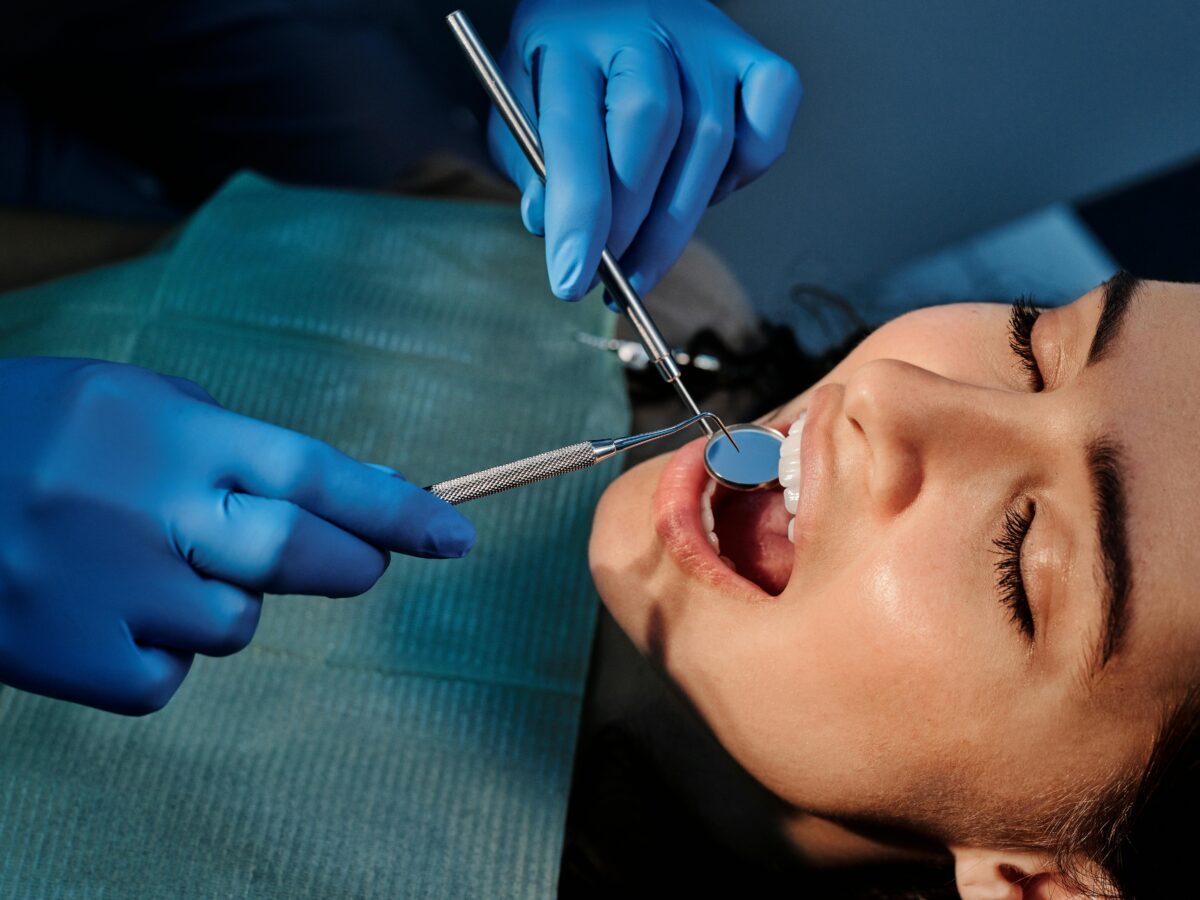
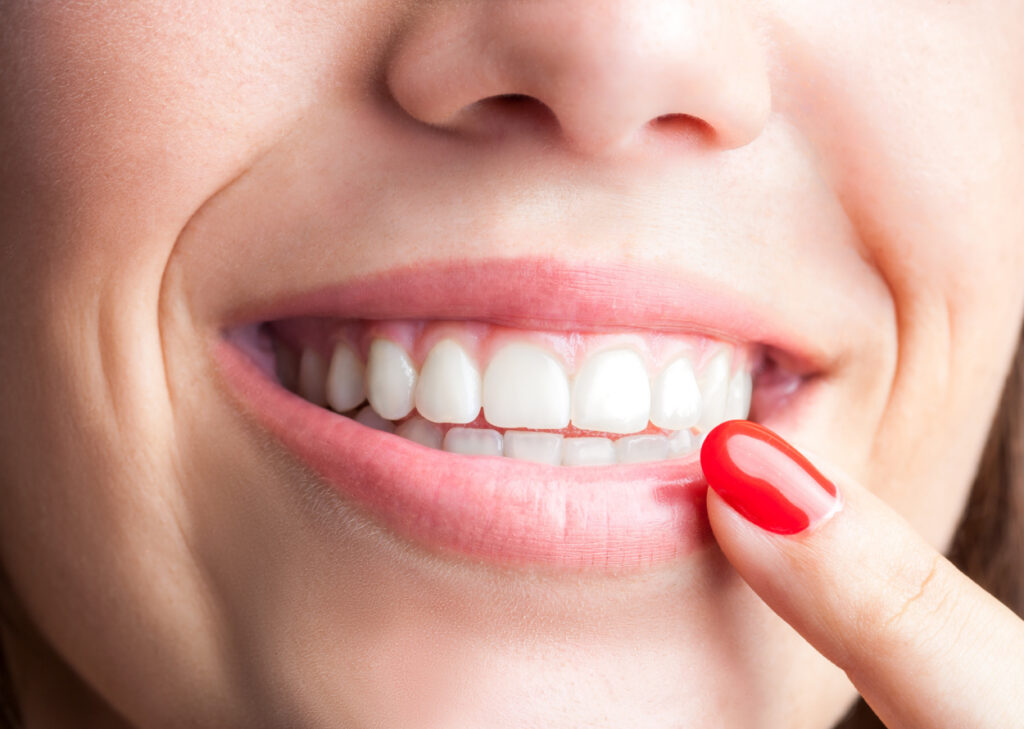

If you are considering Invisalign, one of the first questions you will ask is the most practical one: how long is this going to take?
The honest answer is that there is no single timeline that fits everyone. Some people finish in as little as six months. Others need closer to 12 to 18 months. More complex cases can take longer, especially when bite correction is part of the plan and not just straightening front teeth. What matters most is not the brand name of the aligner, but the biology of your teeth, the complexity of your case, and how consistently you wear the trays.
That last part matters more than many people expect. I have seen patients with relatively mild crowding move through treatment efficiently, and I have seen similar cases drag on because trays were left out too often for coffee, social events, or simple forgetfulness. Invisalign can be impressively predictable, but it only works when it is worn as prescribed.
The typical Invisalign timeline
For most adults and teens with straightforward alignment issues, Invisalign treatment often falls somewhere between 9 and 18 months. That is a broad range, but it reflects real variation in what needs to be corrected.
A mild case might involve small spaces between teeth, slight crowding, or minor movement after relapse from earlier braces. These cases sometimes wrap up in six to nine months. A moderate case, which is common, may take around 12 to 18 months. More involved situations, such as significant crowding, deep overbite, crossbite, or teeth that need substantial rotation, can take 18 to 24 months or occasionally longer.
Patients are sometimes surprised by how much time is spent on details rather than dramatic movement. Getting teeth generally straighter is one phase. Fine-tuning contacts, leveling edges, improving the bite, and making sure the result is stable can add months. Those final refinements are often where a good outcome is protected.
What determines how long Invisalign takes?
The timeline depends on a combination of treatment planning and patient behavior. Two people can start on the same day and finish months apart.
Here are the factors that usually make the biggest difference:
- how crowded or spaced the teeth are at the start
- whether bite correction is needed, not just cosmetic straightening
- how well the teeth biologically respond to movement
- whether aligners are worn 20 to 22 hours a day
- whether refinement trays are needed near the end
Crowding tends to add time because teeth need room to line up. That room may come from expansion, selective enamel reshaping between teeth, or staged movements that slowly create space. Rotated teeth can also be stubborn. A tooth that is twisted often takes longer to move than one that simply needs to shift slightly forward or back.
Bite issues can stretch treatment even more. Aligning the visible front teeth is often faster than correcting how upper and lower teeth fit together. If you have an overbite, underbite, open bite, or crossbite, the trays may need to guide more controlled and coordinated movement. That is slower work, and rightly so.
Then there is compliance, which in plain language means how faithfully the aligners are worn. Invisalign is typically meant to be worn 20 to 22 hours per day. Taking them out for meals is expected. Leaving them out for extended stretches is what causes trouble. A tray that does not seat fully is often the first warning sign. Once that happens, tracking can slip, and the case may need extra time or even a mid-course correction.
Mild cases can move surprisingly fast
When people hear about Invisalign, they often picture a year or more of treatment. That is common, but not universal.
A patient with minor lower crowding and one or two slightly rotated front teeth may only need a limited series of trays. If the bite is already stable and there is no need to move back teeth significantly, treatment can be fairly efficient. I have seen cases where visible improvement happened within the first two or three months, which is one reason Invisalign appeals to adults who want a discreet option.
That said, visible improvement is not the same as completion. Front teeth can look straighter well before the underlying bite is fully settled. It is easy for patients to think they are nearly done because the cosmetic change is obvious. The clinician, meanwhile, is looking at contacts, root position, overjet, overbite, and the way forces are distributed when you chew. Those details are less visible but essential to long-term success.
Complex cases need patience
One of the biggest shifts in orthodontics over the past decade is how many cases can be managed with clear aligners that once would have been treated mainly with braces. Still, not every complex case moves at the same pace, and not every case is equally suited to Invisalign.
If a patient has severe crowding, impacted teeth, large bite discrepancies, missing teeth that affect spacing, or restorative work that has to be coordinated with tooth movement, the timeline becomes more layered. Sometimes Invisalign is still an excellent option. Sometimes braces are more efficient. Sometimes treatment involves a mix, such as aligners plus elastics, attachments, enamel reshaping, or staged restorative planning.
A common example is deep bite correction. Straightening crowded front teeth may happen fairly early, but opening the bite and controlling vertical movement takes more time. Another example is posterior crossbite, where the back teeth do not fit properly. These cases often require careful sequencing because you are not just lining up teeth for appearance. You are building a more functional bite.
There is also the matter of rotations. Rounded teeth, especially canines and premolars, can resist rotational control. Invisalign can move them, but the trays may need attachments and additional refinement to finish cleanly. It is not unusual for a patient to be told at the beginning that their case is likely 14 months, only to need several extra months of refinement to perfect those final positions.
Attachments and elastics can affect timing
Many patients start out hoping for “invisible trays only” and are mildly disappointed when they hear about attachments or elastics. In reality, these tools often make treatment more effective and sometimes faster.
Attachments are small tooth-colored shapes bonded to the teeth. They help the aligners grip certain surfaces and deliver more precise forces. Without them, some movements would be unreliable. If your orthodontist recommends attachments, that is usually not a sign of a worse case. It is a sign that the treatment is being planned with realistic biomechanics.
Elastics can also play an important role, especially for bite correction. They require cooperation, and that is where timing can shift. Patients who wear elastics exactly as directed often stay on track. Patients who wear them intermittently can lose momentum quickly.
Why refinements are so common
One misunderstanding about Invisalign is that the initial set of trays is the entire treatment. Often, it is not.
After the first series is completed, the teeth are reassessed. New scans may be taken, and additional trays, called refinements, are ordered. This does not mean the treatment failed. In many cases, refinements are expected. Teeth are living structures suspended in bone and ligament, not machine parts. Even with excellent planning, they do https://medium.com/@omnidentalspecialty/about not always move exactly on schedule.
Refinements may be needed for very small reasons. A lateral incisor may lag slightly behind. A contact point may be too tight. The bite may need a bit more settling. Sometimes only a few extra trays are required. Sometimes it is another few months. Patients who know this from the start tend to handle the process better because they understand that refinement is part of delivering a polished result.
How often are the trays changed?
Most Invisalign patients change trays every one to two weeks, depending on the treatment plan and the doctor’s protocol. Some cases move to the next aligner weekly. Others stay in each tray for 10 or 14 days. There is no universal schedule because tooth movement is not identical in every mouth.
Weekly changes can shorten overall calendar time, but only if the trays fit properly and the teeth are tracking well. If the aligner is not seating completely, speeding ahead usually creates more problems than it solves. Slower changes are sometimes safer for certain movements or for patients with a history of not wearing trays consistently.
Office visits are often spaced every six to 10 weeks, though this varies by practice. These visits are usually shorter than braces adjustments, but they are important. They let the provider check fit, track movement, replace attachments if needed, and catch small issues before they become bigger delays.
Age matters, but maybe not in the way you think
Adults often assume treatment will take much longer than it does for teenagers. The difference is not always dramatic. Teens may have more responsive bone metabolism, but adults often compensate by being highly motivated and consistent. A careful adult who wears aligners as instructed can move along very efficiently.
Where age does matter is in the condition of the teeth and supporting structures. Adults may have restorations, worn enamel, recession, missing teeth, or old orthodontic relapse that complicates planning. Bone density and periodontal health can also affect how movement is managed. If someone has gum disease or reduced bone support, the treatment may need to move more cautiously. That is not a drawback of Invisalign specifically, but it does influence timing.
What can slow treatment down?
When Invisalign takes longer than expected, the reason is usually identifiable.
The most common delay is under-wearing the trays. Patients almost never mean to be noncompliant. Life gets busy. A long lunch turns into an afternoon with the aligners still in the case. Travel disrupts routines. Someone removes the trays for a wedding, a date, or presentations at work and wears them less than planned for several days. A few hours here and there may not sound serious, but repeated small lapses add up.
Other delays come from trays that stop tracking. If the aligner no longer fits snugly against the teeth, movement is no longer fully under control. Sometimes that can be corrected by wearing the tray longer. Sometimes chewies help seat the aligner better. Sometimes a rescan is needed.
Broken attachments can slow things too, especially if a movement depends on that attachment. Missed appointments, delayed tray pickup, or inconsistent use of elastics are also common reasons the calendar stretches out.
A few habits make a noticeable difference in keeping treatment on schedule:
- wear the aligners the full recommended time every day
- switch trays only when they fit properly and on your provider’s schedule
- attend review visits even if everything seems fine
- use chewies or seating aids if recommended
- contact the office early if a tray cracks, attachment falls off, or fit changes
These are simple habits, but they are the difference between a smooth case and one that seems to stall every few months.
How Invisalign compares with braces on timing
Patients often ask whether Invisalign is faster than braces. Sometimes yes, sometimes no.
For mild to moderate cosmetic alignment, Invisalign can be very efficient. Digital treatment planning is precise, and because the trays are staged in advance, patients often appreciate the sense of momentum. In straightforward cases, treatment time may be similar to braces or slightly shorter.
For more difficult tooth movements, braces can still have an edge. They offer continuous control and do not rely on patient wear time in the same way. If someone knows they will struggle to wear aligners consistently, braces may actually be the faster option for that person, even if the theoretical treatment time on paper looked similar.
This is one of those areas where experience matters. The best appliance is not the one that sounds nicest. It is the one that matches the biology, the treatment goals, and the patient’s habits.
The first few weeks feel longer than they are
One thing that rarely gets mentioned in advertisements is that the beginning of Invisalign can feel oddly slow, even when the treatment is progressing normally.
The first trays introduce pressure, a new speech pattern, and the routine of removing aligners before meals. For many patients, those first 10 days are the hardest stretch. Then the process settles into rhythm. Most patients become faster at taking trays in and out, less self-conscious about speaking, and more disciplined about wear.
By the third or fourth tray, many start noticing visual changes. A lower front tooth that looked tucked behind another begins to line up. A small gap starts to narrow. These early changes are encouraging, but they can also create impatience. Once improvement is visible, people naturally want the finish line to arrive faster. That middle phase is where discipline matters most.
A realistic month-by-month sense of progress
No two treatment plans unfold identically, but there is a general rhythm many patients recognize.
In the first month, the goal is adaptation and early movement. During months two through four, visible changes often become more apparent, especially in the front teeth. Mid-treatment can feel less dramatic because the work becomes more technical, with roots, bite relationships, and arch coordination being refined. The last stage is often slower again, not because treatment is failing, but because smaller corrections require precision.
This is why estimated treatment time should be taken as a working projection, not a guarantee down to the exact week. Orthodontics is controlled biology. It is predictable within reason, but not perfectly mechanical.
What happens after the last tray?
Finishing active treatment is not the end of tooth movement management. Retainers are essential.
Teeth have memory. Without retention, they tend to drift, especially in the first several months after treatment. In some cases, what patients interpret as “my Invisalign did not work” is actually relapse after they stopped wearing retainers consistently.
Most providers recommend full-time retainer wear initially, followed by nighttime wear long term. The exact schedule varies, but the principle does not. If you want your treatment result to last, retention is part of the treatment, not an optional extra.
This matters to the timeline discussion because some patients mentally define treatment as ending when the last active tray is done. Clinically, the process is not truly stable until retention is established.
Questions worth asking before you start
When patients want a useful estimate of how long Invisalign will take, the better conversation is not “How fast can this be?” but “What exactly are we trying to fix, and what might extend the timeline?”
Ask whether your case is mild, moderate, or complex. Ask whether bite correction is included. Ask whether attachments, elastics, or enamel reshaping are likely. Ask how often refinement trays are needed in similar cases. These questions lead to more honest expectations than a headline promise of six months.
It is also worth asking how your provider monitors progress. Some offices rely heavily on in-person checks. Others combine office visits with remote monitoring. Neither model is automatically better, but close supervision helps keep a case from drifting off course.
So, how long does Invisalign treatment take?
For most people, the practical answer is somewhere between 9 and 18 months, with shorter cases at the mild end and longer cases when bite correction or complex movement is involved. Some finish in six months. Some need two years. The range is wide because the goals are wide.
What I tell patients is simple: the projected timeline matters, but your habits matter almost as much. Wear time, follow-up, and realistic expectations will do more for the final result than chasing the shortest estimate. Invisalign is capable of excellent outcomes, but it rewards consistency. If you treat it like a part-time appliance, it becomes a part-time treatment.
A good consultation should leave you with more than a number. It should tell you what is being corrected, what could slow things down, and what you can do to stay on schedule. That is how you get a timeline that is not just hopeful, but believable.
Omni Dental Specialty
Address: 1690 E Gonzales Rd, Oxnard, CA 93036
Phone number: +18053666000
FAQ About Invisalign
How much does Invisalign actually cost?
The out-of-pocket cost for Invisalign typically ranges between $3,000 and $8,000, with most patients paying a national average of roughly $5,100 to $5,700 before insurance.
What is the downside to Invisalign?
The biggest downsides to Invisalign are the intense discipline required to wear the trays 22 hours a day, the inconvenience of removing them to eat or drink, and the inability to fix severe, complex orthodontic issues.
Is $5000 a lot for Invisalign?
No, $5,000 is not considered a lot for Invisalign; it is exactly the national average. Treatment costs typically fall between $3,000 and $8,000, and $5,000 is the standard fee for a moderately complex case that takes 6 to 18 months to complete.